About us
Coordinator of the peace research Maximilian Lakitsch
As a peace researcher, Maximilian Lakitsch is interested in the underlying aspects of normative and legal frameworks that make non-violent and just coexistence possible. This concerns both local communities and the international community of states, which is why his work is located within the wider field of international relations. His work revolves around issues of political power, legitimacy and environment, which are altogether becoming increasingly relevant, especially in the wake of the climate crisis. Maximilian Lakitsch is currently working on a political ecology of peace that seeks to adapt international peace efforts to the conditions of the Anthropocene and to thereby make them more effective and sustainable. As part of his work in the Conflict - Peace - Democracy Cluster, he has initiated the Master's Plus module "Peacebuilding and Conflict Transition", which aims to provide students with expertise for working in (post-)war areas.
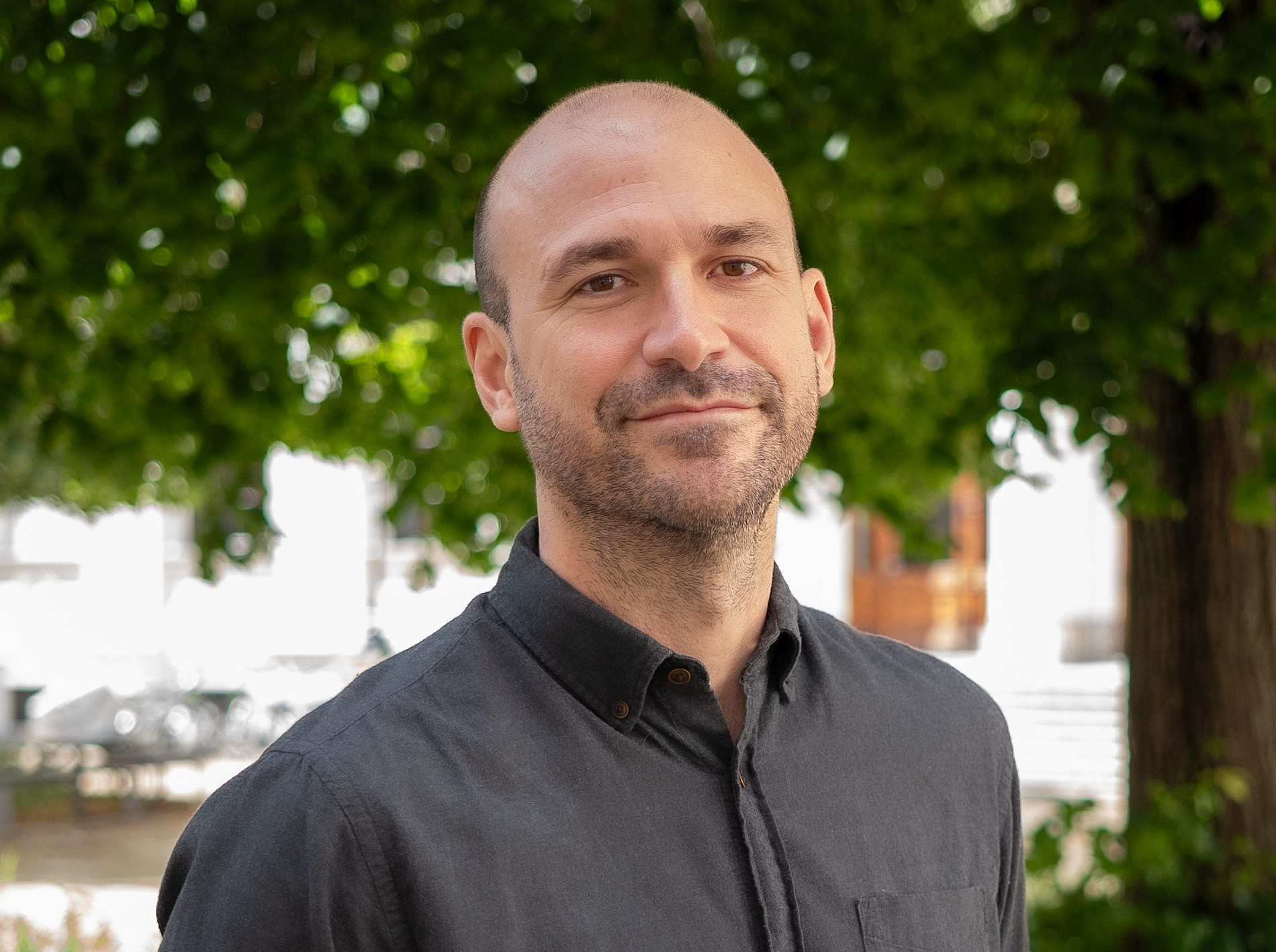
Josef Mühlbauer
As a peace researcher and peace journalist, Josef Mühlbauer focuses on building a bridge between academic research and the wider public. His aim is to make complex scientific findings, particularly in peace and conflict research, accessible and useful to society, whether as a speaker, a panelist, or through his podcast and YouTube channel.
His research interests and publications cover socio-ecological transformation, political theory, international relations, and civic education. His work is therefore interdisciplinary: it connects theory with practice and is strongly shaped by action-oriented approaches applied in numerous projects within the Conflict – Peace – Democracy Cluster (CPDC).
His latest book, Wege zum Frieden (2026), was written as part of the CPDC and is available free of charge.
Veronica Lion
Veronica Lion is a Marie Curie postdoctoral researcher in the Department of Global Governance at the University of Graz. Her research focuses on women-led movements in times of conflict and crisis, and on how they generate new political knowledge under extreme pressure.
Her project, WOMACT — Women’s Movements as Agents of Crisis Transformation, examines how such movements in Israel/Palestine and Ukraine navigate war, democratic backsliding, and social division simultaneously; what knowledge they develop in the process; and how they use it to resist, reorganize, and imagine alternative visions of peace and democracy.
Drawing on comparative ethnographic fieldwork, the project develops the concept of crisis epistemologies and asks what we can learn about feminist agency, solidarity, and political imagination when we take women-led movements seriously as knowledge actors.

Juliana Krohn
Juliana Krohn is a peace researcher, trainer, and mediator in training in the field of multitrack peace mediation. Her work focuses in particular on climate justice, approaches such as environmental peacebuilding, and the links between planetary crisis, peace, and conflict. She recently joined the EnviPeace project, based in the Conflict – Peace – Democracy Cluster at our faculty, as a researcher at the Faculty of Law of the University of Graz.
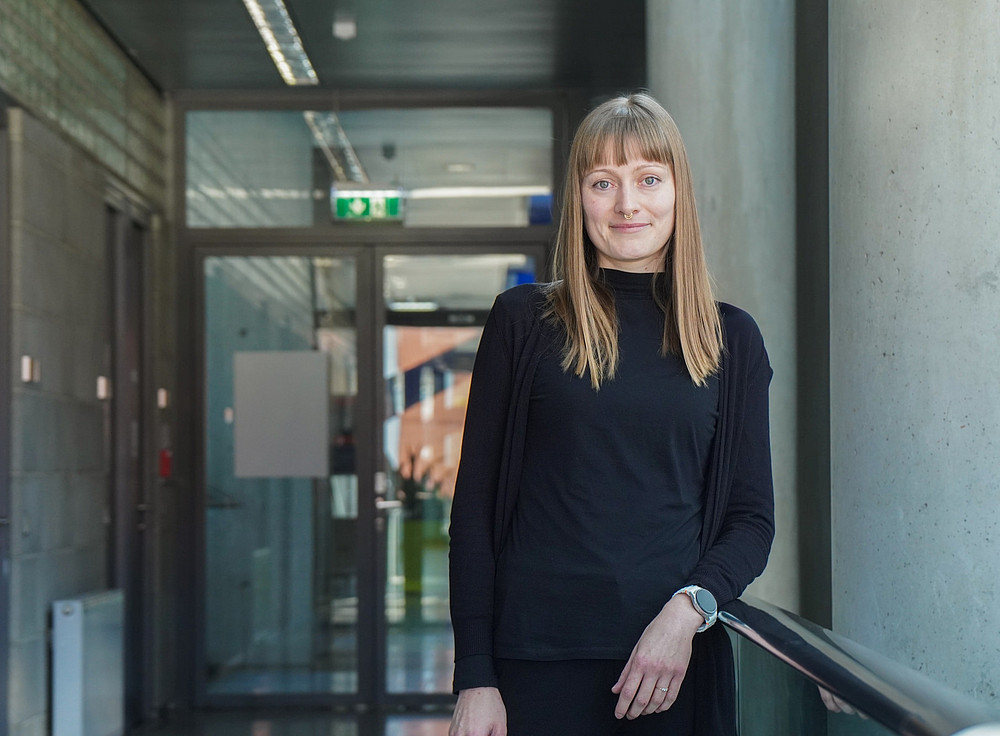
Lilian Kink
Lilian Kink works with us as a student assistant in peace and conflict studies. She supports us with events, research proposals, and research tasks, and is also enrolled in the International Peacebuilding and Conflict Transition master’s module at the University of Graz.
Head of Department Jürgen Pirker
The department of Global Governance, based at the Institute of the Foundations of Law, explores cultural, political and legal challenges underlying the processes of Europeanization and globalization. We are committed to bringing together wide-ranging expertise to tackle multi-disciplinary issues on local, national, transnational and international dimensions.
The department of Global Governance embraces an interdisciplinary frame of reference based on law in context. Our work incorporates approaches and methods of law, political and social sciences and humanities, as well as cultural sciences in research, teaching and practice. Cross-disciplinary methods and approaches are applied across three dimensions: research; intervention and evaluation research; and training and practice.
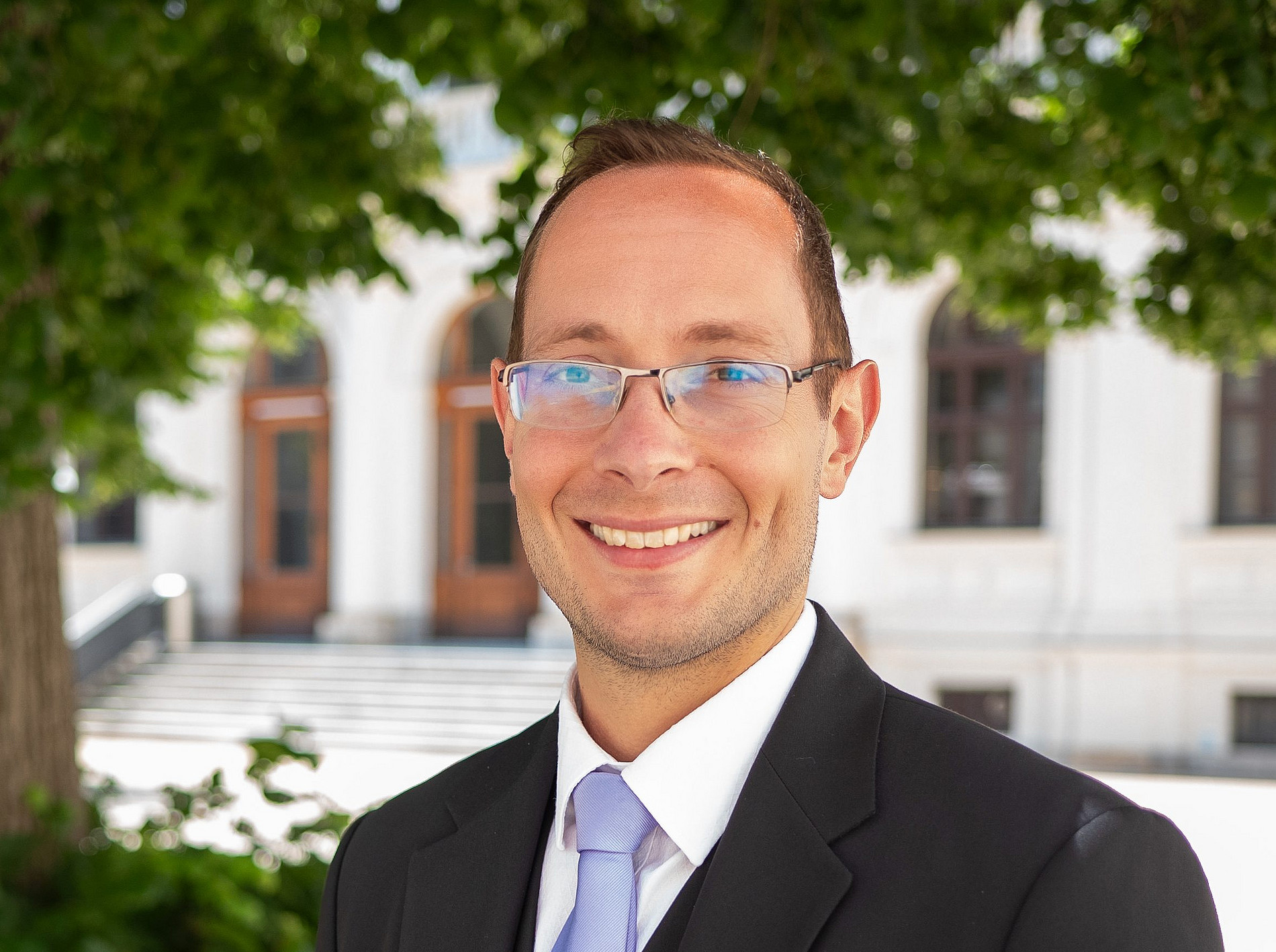
Conflict - Peace - Democracy Cluster
Serving as a platform for joint research initiatives and a bridge to practice, the "Conflict - Peace - Democracy Cluster" (CPDC) is affiliated with the Department of Global Governance. It institutionally connects the Faculty of Law with the non-university institutions Democracy Center (DZ, Vienna), Institute for Conflict Research (IKF, Vienna) and Austrian Study Center for Peace (ACP, Schlaining).